HEALTH, FOOD, AND BIODIVERSITY IMPROVEMENT PROJECT
Arajuno River, Napo province, Amazon region
The Arajuno River, located in the upper reaches of the Amazon basin in eastern Ecuador, is an area where indiscriminate fishing with dynamite and other illegal and dangerous practices is putting at risk the health of the 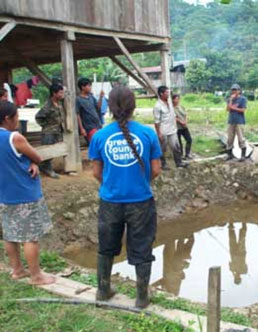 local Indigenous Quichua population. The overall result of these fishing practices, coupled with one of the highest deforestation rates in the Ecuadorian Amazon (approximately 2% annually), is a continued degradation of the environment, human health and the local economy. Amongst the Quichua Indians, 40% suffer from chronic malnutrition. The infant mortality rate is 60% for children under the age of 5 years old and 80% of the indigenous population live at or below the official level of poverty established by the Ecuadorian government..
We have recently discovered that the same area where fishing with dynamite takes place is also the home of the Southern River Otter, a species listed as endangered in the CITIES red book. One active den has been found directly in front of Arajuno Jungle Lodge on the banks of the Rio Arajuno.
Fishing with dynamite and other illegal means is not a part of the traditional culture of the native population. This practice was introduced approximately 15-25 years ago by colonists at a time when, according to the older natives, large fish were abundant in the river and fishing pressure was low. This reduction in fishing quality and quantity coupled with an increased human population is suspected to be a contributing factor to the high level of malnutrition. It is believed that the high level of malnutrition is due to reduced sources of natural protein plus an unbalanced diet from increased consumption of processed foods introduced by the outside world.
Goals
1. Improve the health and well being of the Quichua Indians living along the Arajuno River by providing alternative sources of protein through small-scale aquaculture projects and a series of health and environmental education workshops to improve nutritional practices and sustainable use of natural resources.
2. Provide alternative income sources by selling aquaculture products and increase tourism through the promotion of sport fishing and training local natives as fishing guides.
3. Improve the overall biodiversity of the zone by decreasing the level of illegal and devastating fishing with dynamite.
Monitoring and Evaluation
In the investigative phase of the project, a base line of data will be established to measure project advances. This data base shall include the number of persons and families to be directly and indirectly involved and general information concerning their current health and economic status. From the base line data, annual targets will be established and a calendar of activities developed. The activities will include a monthly evaluation of progress. Actual incidences of illegal fishing will be documented and monthly results will be analyzed to identify in what communities further work is needed. This monitoring of illegal fishing will also serve as a means to employ other methods of control to reinforce the efforts of local law enforcement agencies.
Project Design and Implementation Plan
Project activities include investigation, development of a model aquaculture project, health and environmental education workshops, monitoring and control efforts and the development of economic incentives and alternatives to the current illegal practices.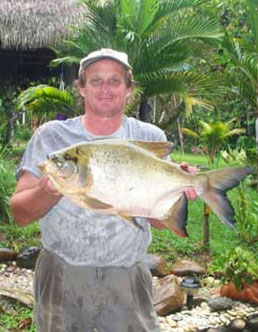
The problem of malnutrition due to the introduction of nontraditional foods and a depletion of traditional food sources is relatively new and requires innovative solutions. Aquaculture with native species in this region of the Amazon is not well researched nor currently practiced in general.
For this reason it is necessary to develop a small-scale model for investigative and promotional purposes. This model will be installed in the local area and be used to teach the native peoples how to build their own aquaculture systems. Technical assistance will be provided to help them in their efforts with an emphasis on teaching the participants how to install their own systems and follow up visits to assure the sustainability and multiplicity of the project.
The desired results of these project efforts are to improve the health of the local Quichua population by providing them the means to produce their own sources of high quality protein through family-scale aquaculture projects using native species found locally. The aquaculture projects will be linked to workshops teaching proper nutritional, sanitary and sound environmental practices. Improved health should also contribute to less family income going toward health problems and more toward preventative health measures.
It should be noted that while the focus of this project is the Arajuno River in Ecuador, the situation among the native peoples throughout the Amazon basin is similar. Therefore it is extremely important that this project be supported and successful in order for it to be replicated in other parts of the Amazon.
Project Fact Box
| Project: |
Health, food, and biodiversity improvement
Project (minimum 5 volunteer placements) |
| Location: |
Rio Arajuno communities, Napo Province, Ecuador |
| Accommodation: |
Arajuno jungle lodge volunteer house |
| Requirements: |
Conservation knowleges |
| Minimum commitment: |
2 weeks |
| School term: |
Year around |
| Project Hours: |
Monday to Friday, 8 hours a day |
| Climate: |
Warm – rain forest |






 Teaching English
 Puerto Lopez