Working in Conservation through Education in Ecuador
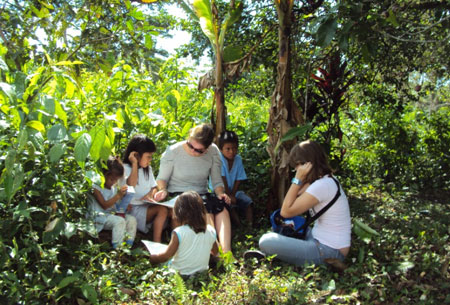
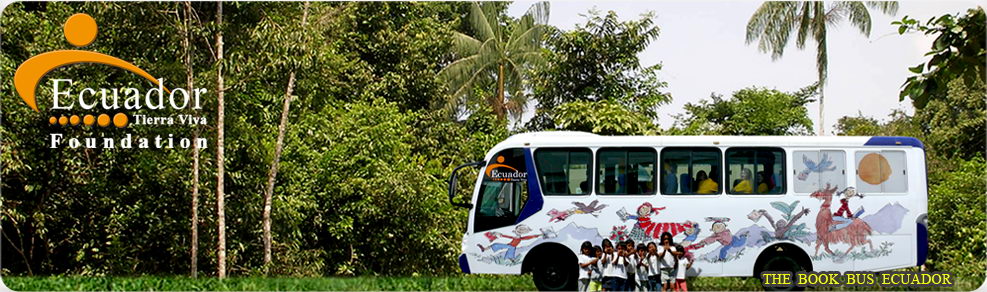
BISEE Book Bus has developed an integral project to promote conservation through education within schools near nature reserves in Congal, Tena, Guandera and Machalilla National Park. In 2012/13 our volunteers will be providing environmental education projects as part of a literacy scheme to encourage the children of today to become the guardians of tomorrow’s environmental “Hotspots”.
Volunteers will gain conservation experience working with the environmental projects in nature reserves and incorporate this experience when working at the local schools. This unique combination allows you to make a positive contribution to child literacy and help secure the future for the country’s natural resources and the planet.
Working in Conservation through Education
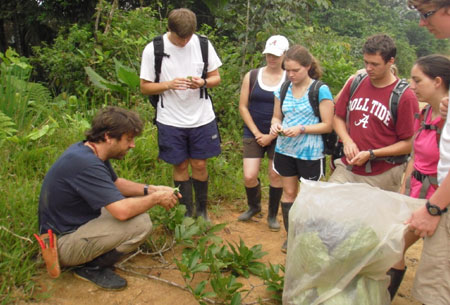
We are developing child literacy and environmental education projects in schools situated near of natural reserves stations in Congal, Tena and Guandera and Machalilla National Park. As a volunteer joining this project you will work with our conservation projects as well as working with children in the schools. The conservation experience you gain in our nature reserves will be incorporated into your literacy work in the classrooms.
If you speak Spanish or have a flair for languages then this project offers a unique opportunity to witness life in one of the world’s most dramatic natural settings.
Why the Book Bus needs you
Ecuador needs a better educated and more confident reading population to face the serious social, economic and environmental challenges of the future. Environmental degradation is a key concern in much of the country where farming methods, logging and mineral extraction are punishing the land beyond repair. The education system in Ecuador is not well funded and many of the classroom resources we take for granted simply do not exist there, reading is not yet imbedded within the education system and school libraries do not really exist.
In 2012/13 the Book Bus team in Ecuador is supporting environmental education projects as part of our literacy scheme to encourage the children of today to become the guardians of tomorrow’s environmental “Hotspots”. By joining our volunteer team you can make a positive contribution to child literacy and help secure the future for the country’s natural resources and the planet.
What will you be doing?
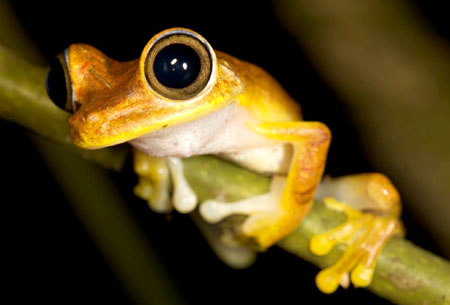
The Book Bus will operate out of environmental field stations at Congal on the Pacific Coast, Guandera in the Andean highlands, Jatun Sacha in Tena, the Amazon rain forest and Puerto Lopez in the Machalilla National Park. Each of these stations is in an environmental “hotspot” and we will be delivering our literacy scheme to local school children in the morning and contributing to environmental projects in the afternoon.
1. Working in the schools:
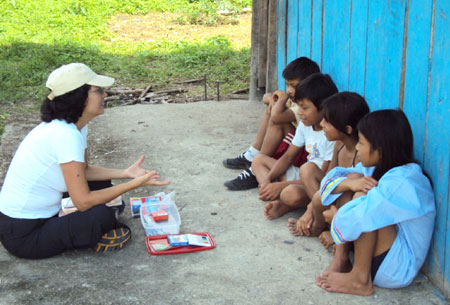
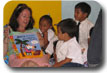
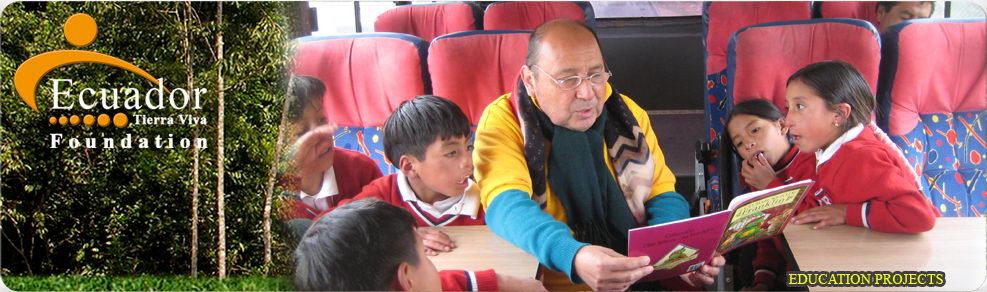
The Book Bus literacy scheme encourages learning through group work and classroom interaction. As a Book Bus volunteer you will work with small groups of children to help them associate books with enjoyment and creativity and in doing so sow the seeds of a lifelong love of reading that will benefit the children and their communities for years to come.
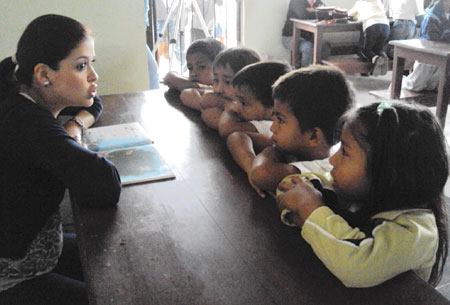
Our Book Bus staff and the local teachers help to organise the school sessions and they are on hand to provide advice if and when you need it. Most volunteers quickly develop their own style and it’s amazing just how quickly each session flies by!
We use several techniques to help children become confident readers:
Reading Practice
Shared reading, assisted reading and story telling are methods we use to encourage the children to engage with the stories and characters and develop a sense of interaction between child and book.
Dramatising stories through art and craft
We carry arts and crafts materials on the bus as a resource for children to use to interpret stories and characters from their chosen book. Encouraging creativity and imagination is an important part of our literacy scheme, it opens the young mind to external stimuli that develops curiosity and critical thinking. Drawings, masks, models and even mini-books have been created by our eager readers during their one hour Book Bus session.
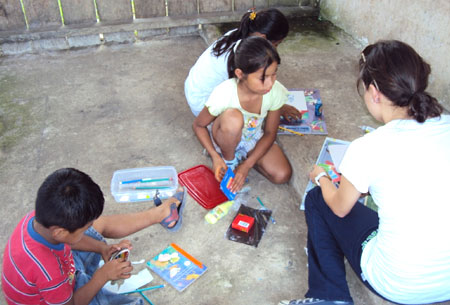
1. Organise fun activities around the books
The young mind occasionally requires physical stimulus to engage with the literacy scheme – activities based around name games and sports always work to open out a reading concept; our on board parachutes are universally popular!
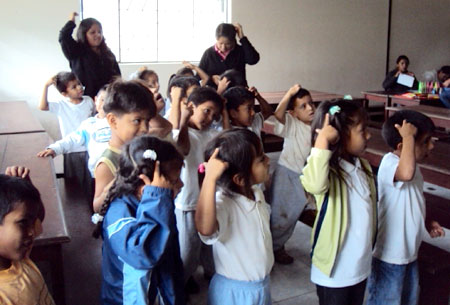
While these techniques are very useful, the most important element of our literacy scheme is the unbridled enthusiasm of our volunteers. No matter what your background, profession or experience, you will inspire children to read just by being you!
2. Working in the Nature Reserves
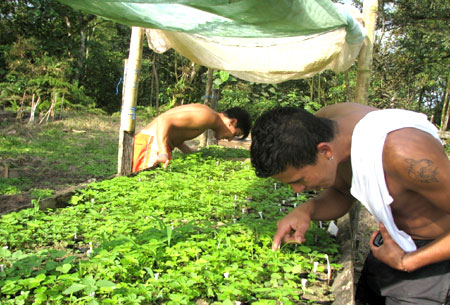
The work schedule is very flexible, but volunteers will be working in the following activities:
- Compost maintenance
- Botanical Gardens maintenance
- Seeds collection
- Soil preparation
- Tree nursery maintenance
- Vegetable garden maintenance
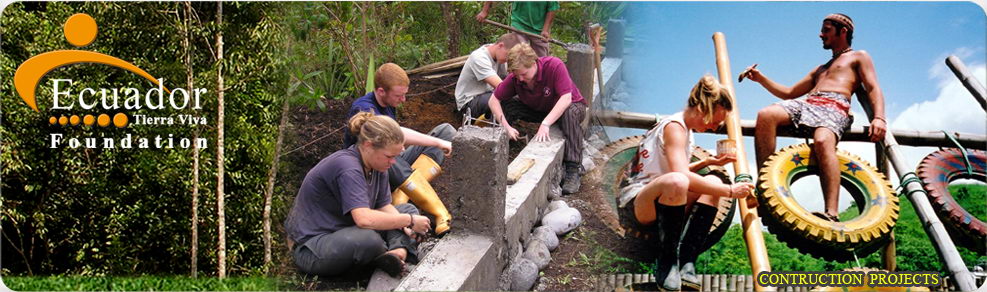
- Trails maintenance and new trails construction
- Seedlings and seeds collect for the nursery or the farm.
- Workshops of handicrafts elaboration with the Quichua community.
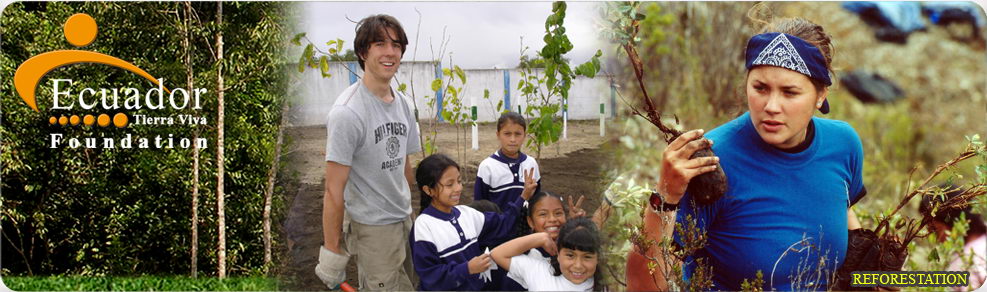
- Reforestation Projects either at the station, in communities or independent farms.
- Precipitation and temperature data collection
- Several agroforestry experiment data collection and maintenance
- Maintenance and improvement of the station and its facilities.
- Help in the kitchen, especially when there are groups visiting the station.
The Book Bus team
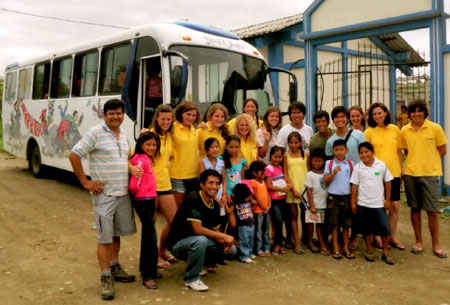
The Book Bus team is led by a project co-ordinator who helps volunteers settle into the school visit program and manages their welfare throughout the project.
We welcome volunteers from all backgrounds and nationalities to join the Book Bus team. If you have a passion for books and a desire to share the magic of stories with children then please consider climbing aboard, your contribution to the Book Bus could help children become readers for life, boosting their education and quality of life in the future.
Life on the road can be challenging at times and climatic extremes and basic accommodation are facts of everyday life. It is therefore essential than as a crew member you have a reasonable level of health and fitness. Equally important will be your desire to engage with children (previous experience of working with children is welcome but not necessary). Some measure of artistic and/or musical talent, or at least a willingness to have a go, will stand you in good stead. And, if you are shy in company, be prepared to shed at least some of your inhibitions! Our crew members all share a positive outlook, enjoy being part of a team and have a real desire to make a difference.
Life in the field station
Each field station features dormitory style accommodation with between four and six beds per room. Meals are served communally and we can cater for virtually any dietary requirement. You may find yourself involved in the kitchen as part of the group cooking rota. Buen provecho!
The Book Bus attracts volunteers from many different walks of life and ages so you can be sure that you'll be part of a diverse and interesting group.
Learning Spanish with the Book Bus
Picking up a new language is not as hard as it might seem, especially when you are using it to speak with the local people everyday. Our Spanish language school in Quito will get you off to a flying start and after a couple of weeks on the Book Bus you will be speaking confidently with the children. If you’re unsure of how you will cope with the Book Bus in a foreign language be assured that our local staff will help and mentor you throughout the project so that you can contribute in a positive and meaningful way.






 Teaching English
 Puerto Lopez